
23 October 2026
Following last week’s APRA Silver Scroll Awards and the celebration of APRA’s centenary, Sam Brooks talks to OneMusic director Greer Davies about the extraordinary changes in how we discover, share and use music, and the one thing that hasn’t changed in 100 years.
Last week, the APRA Silver Scroll Awards brought Aotearoa’s songwriting community together to celebrate the music being created today. This year’s event had an added significance, marking 100 years since APRA was established and a century of valuing the people behind the music.
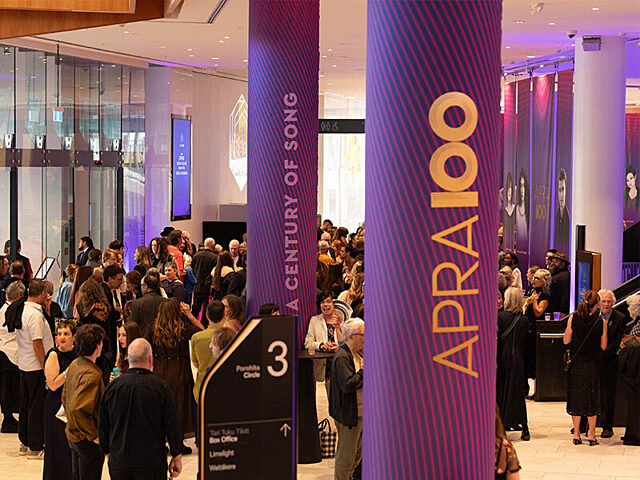
In 1926, APRA, the Australasian Performing Rights Association, was established to protect songwriters and manage the public performance of their music during the radio boom. On New Year’s Eve that year, APRA issued its very first music licence to a little hall on King Island, Tasmania, giving it permission to play music publicly. The following year, young solicitor Albert E. Rolfe was sent to New Zealand to act on APRA’s behalf, bringing music licensing to New Zealand for the very first time.
A century later, that legacy continues for New Zealand businesses through OneMusic, the joint licensing initiative between APRA AMCOS and Recorded Music New Zealand. And while the simple idea remains the same, the way we access and use music has changed dramatically.
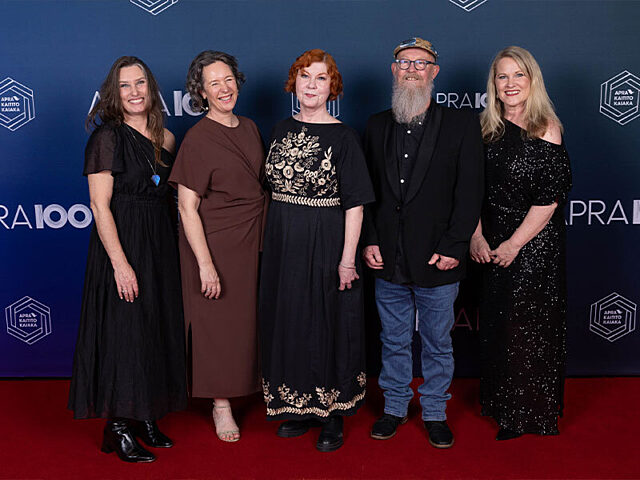
OneMusic director Greer Davies has spent years watching those changes play out in the way businesses use music – from radio and records through to curated playlists, streaming services and TikTok trends.
“When APRA started in the 1920s, it was alongside the advent of radio and the need to licence radio for composers, songwriters and music publishers,” Davies says. Then music moved beyond radio and into television and cinema, and increasingly into the everyday spaces of shops, bars and restaurants. “Now the concept of going into a bar without some music on? I don’t think it even happens!” she says.
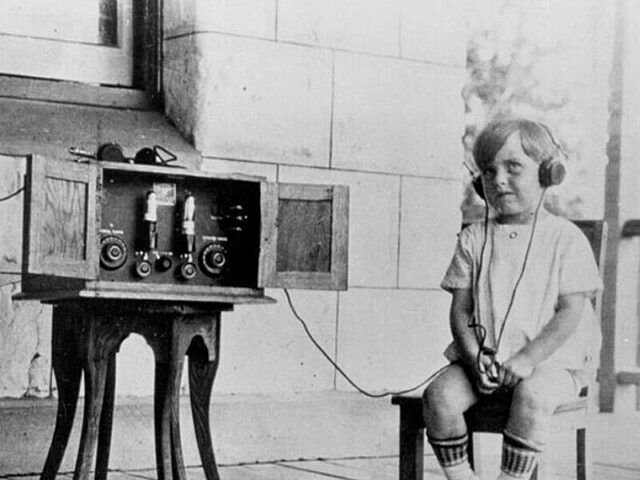
Music gradually became less something you deliberately sat down to listen to and more something woven into everyday life. As that happened, businesses increasingly recognised the role music could play in shaping customer experience.
Then there was the advent of people understanding about brands, and how your business or your venue is an experience.
That idea has only grown. Radio was once one of the main ways people encountered recorded music. Today, businesses can access music from around the world within seconds and select it to suit their brand, customers and time of day.
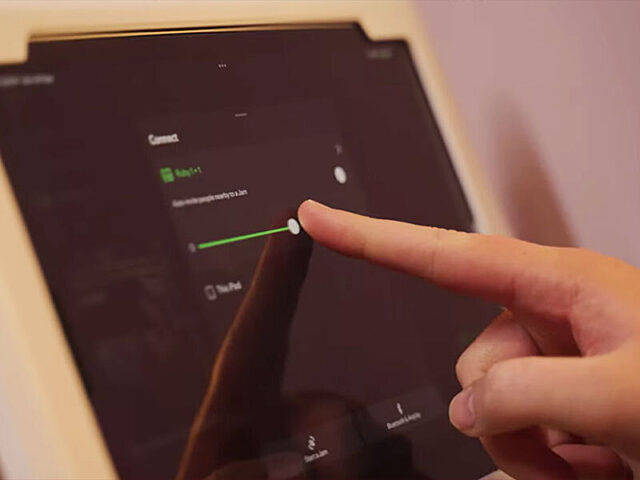
Background music suppliers are another part of that evolution. They supply businesses with curated playlists of music, which can be catered to genre, tone, or even seasonal events like Halloween and Christmas. Meanwhile, the rest of us have become our own music programmers. “If there’s a trend on TikTok, and you’re in a really edgy retail environment catering for that crowd, you can programme that track in immediately,” Davies says.
Greater control also means businesses can make deliberate choices about the artists and music they choose to support.
Today’s technology also gives businesses the ability to support the artists they choose to play more directly. Sands Carving Studio for example, specifically programmes Māori artists as part of its commitment to supporting waiata Māori and uses Audoo music recognition to identify the music they play.
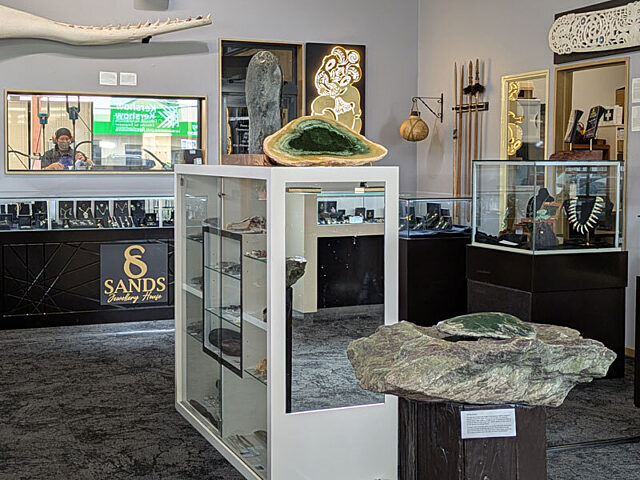
“For us, it’s about helping people understand the value of music and the people who create it,” says Davies.
While a licence may be another cost, it adds value to a business. Like the art on your walls, music is part of the experience you’re creating for customers.
And what hasn’t changed in 100 years? Music licensing continues to help ensure creators are paid when their work is used by businesses, supporting their ability to build sustainable careers. “I’d like to think that New Zealand society has evolved so much that it’s not just about being a lawyer or a doctor,” Davies says. “You can balance being a creative and build a sustainable career.”
Ultimately, licensing is about ensuring people are compensated for their art so they can keep making it. After 100 years, that simple idea has not changed.
Share