
15 September 2026
At Sands Carving Studio in Kirikiriroa, an Audoo device is helping accurately track the waiata played in their whare whakairo – meaning the Māori musicians behind the music can be properly compensated. For Te Wiki o te Reo Māori, Sam Brooks talks to Suellis Sands about music, cultural revival and why paying artists fairly matters.
Back in 2018, musician Ryan Edwards heard his music played in a department store in London – and discovered he wasn’t getting paid for the use of his Top 10 song. He gave himself a challenge: to create a more accurate way of tracking music played in public, so artists and composers could be properly compensated for their work.
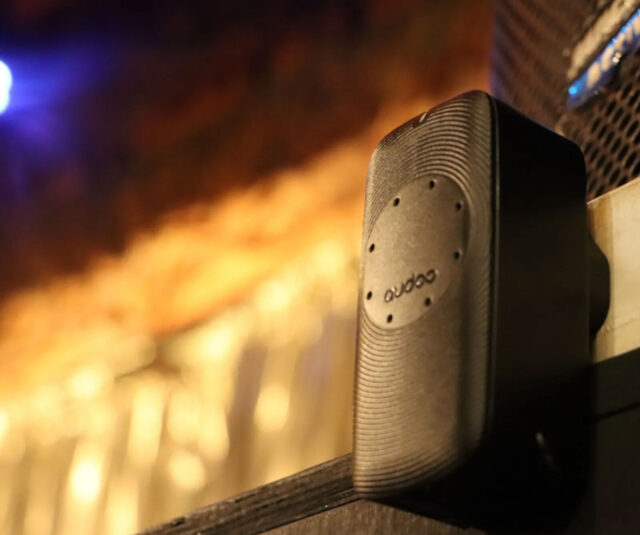
Eight years later, and Audoo Audio Meters™ are taking up tidy residencies in businesses across the world. One of those businesses is Sands Carving Studio, a Kirikiriroa-based studio that creates authentic hand-carved pounamu, bone, wood and shell taonga, with retailers all across the country.
The Audoo [device] recognises the songs played in-store so that funding can be apportioned to artists based on the number of plays,” says Suellis Sands, from Sands Carving Studio.
“This means that local artists, and in our case Māori musicians, get fair recompense for their efforts and talent, including supporting the revival of te reo Māori through their beautiful waiata reo.
Music is an important part of the atmosphere at Sands, helping create the right environment for both customers and kaimahi in the gallery. Their playlist features waiata in te reo Māori or bilingual waiata, including music by Xavier Rudd, Manurewa Arts Project and Nikau Grace.
“The waiata are beautiful and bring joy to both staff and customers. It creates a welcoming and unhurried atmosphere for our customers and an enjoyable work environment for our gallery staff.”
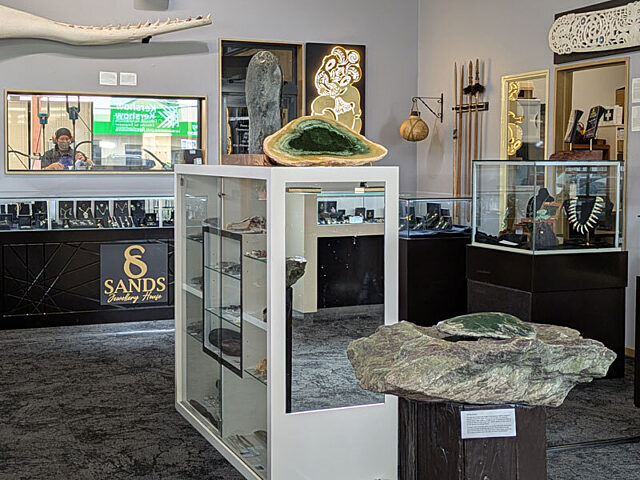
Sands also firmly believes Māori music is among the best in the world.
“We constantly add new artists and waiata to our playlist. We are grateful for all of them and offer the aroha of our whare whakairo to the musicians of Aotearoa. He mihi mahana, he mihi arohanui ki a koutou katoa.”
Supporting cultural revival and promotion is central to everything Sands Carving Studio does within its whare whakairo. For Sands, that extends to the music filling the space.
“Indigenous musicians around the world, including Māori musicians within Aotearoa, shine a light on the beauty of their reo and culture. Their waiata help socialise both te reo and kaupapa Māori concepts within our communities, and they provide rangatahi with music they can understand and relate to, strengthening identity and hope.”
That same sense of connection is at the heart of how Sands approaches the taonga created in the studio.
“Purchasing or carving your taonga is an important process that requires tapping into your intuition and wairua,” she explains. “Customers often want to gift a taonga to a loved one for a significant milestone. That taonga may be a once-in-a-lifetime purchase, likely to be passed down through generations, so it is no small matter.”
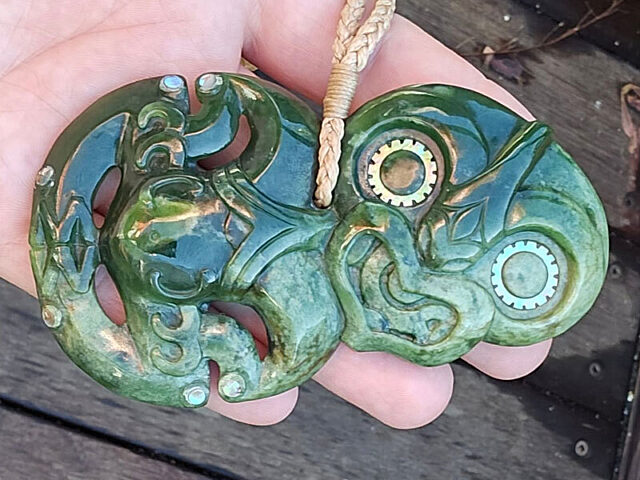
Sands believes the taonga must suit the mauri (life force) of the person it is being purchased for – or be imbued with the mauri of the person carving it, in the carve-your-own workshop context.
“Being immersed in waiata within the whare whakairo allows customers to relax, take their time, tap into their wairua and make an intuitive choice.”
Indigenous artists play such a crucial role in cultural life, but they often struggle to get funding for their efforts. If they are compensated fairly through licensing, they can continue to focus on their craft and create more uplifting waiata for the benefit of all, rather than being distracted by having to supplement their income through other means.
Sands believes all artists deserve to earn a living from their craft and be recognised for the taonga they create. She is grateful that the studio is able to support its kaiwhakairo, kairaranga and in-house jewellers so they can develop their craft and support themselves and their whānau through their mahi.
“Artists in other disciplines, including musicians, deserve similar support.”
“Artists are extremely undervalued in society generally, but they contribute so much richness to our lives. Art – mahi toi – helps uplift and enhance our lives by bringing beauty, raising awareness and supporting cultural revival and promotion.”
She also lays down a challenge to other businesses to support local musicians by featuring more local music, including waiata reo on their playlists – both for Te Wiki o te Reo Māori (from 14-20 September) and throughout the year.
“Try to add one new Māori musician or waiata to your playlist each week.”
Inspired by Sands Carving Studio? Learn more about the Audoo Audio Meter™ today and how your business can help support fair compensation for the musicians whose music you play.
Share